








IPL Treatments in Kelowna
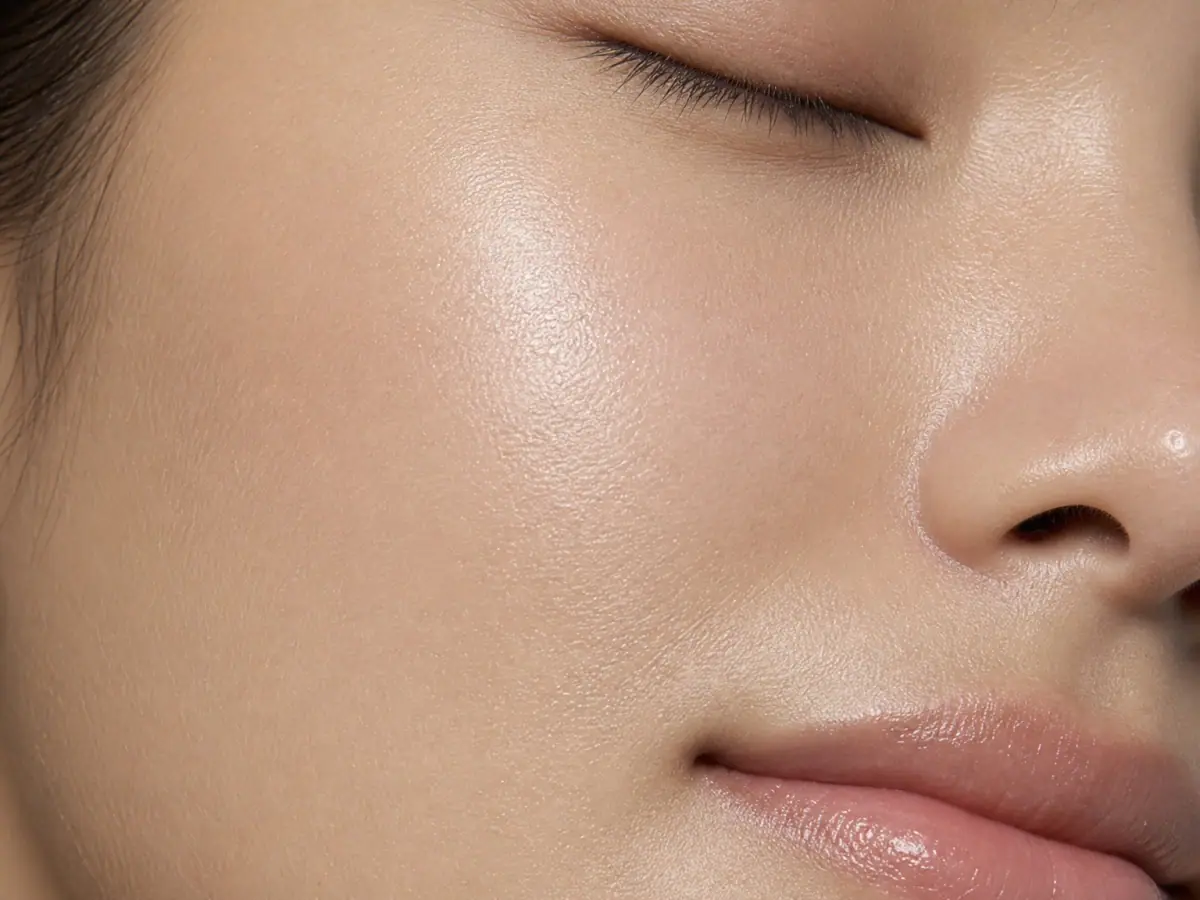
Years of sunshine can leave spots, freckles and redness behind. IPL uses gentle pulses of light to help your complexion look clearer, brighter and more even, with treatment shaped around your skin.
- Treatment timeVaries with the size and number of areas
- DowntimeUsually limited; temporary redness and darkened spots
IPL Photorejuvenation at a glance
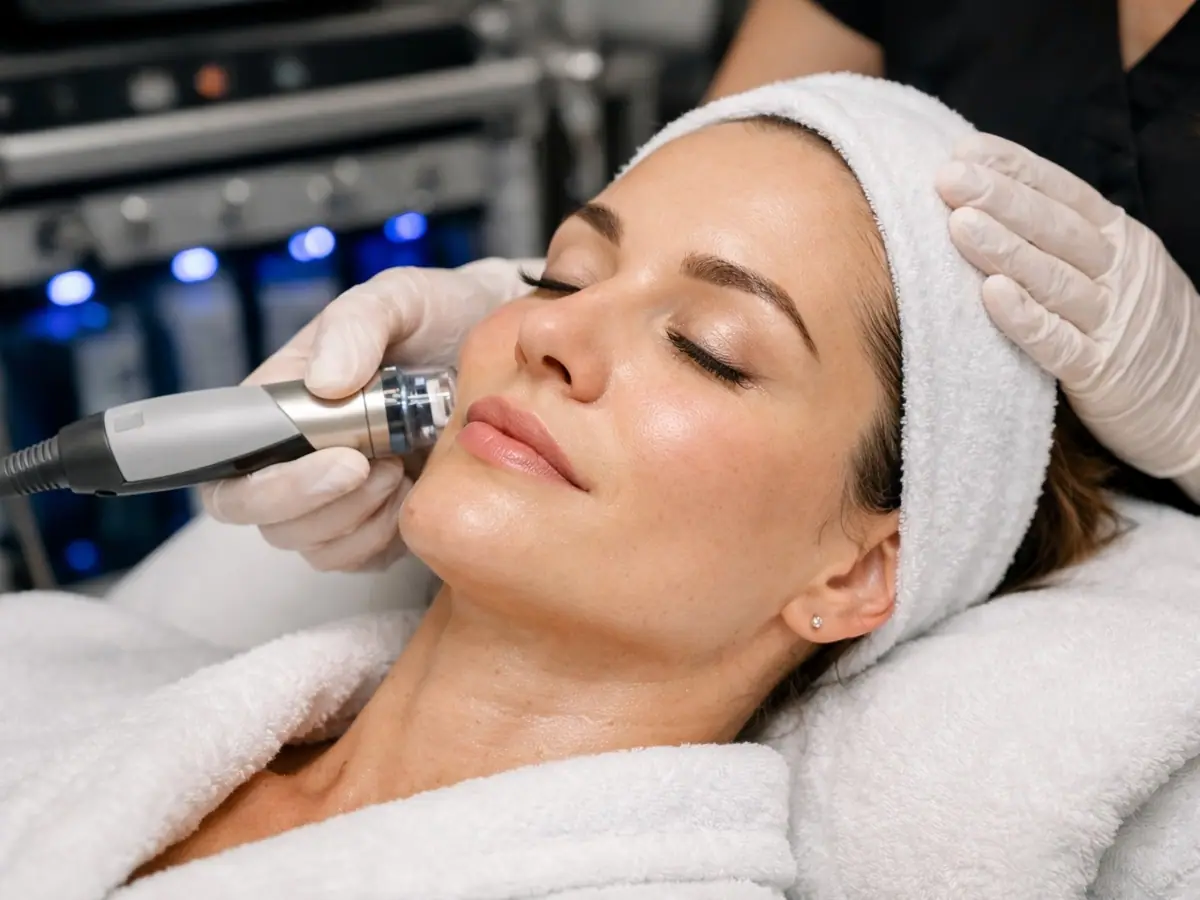
IPL, or Intense Pulsed Light, is a non-invasive, non-ablative light treatment. Controlled pulses of broad-spectrum light are absorbed by melanin in unwanted pigment or by hemoglobin in certain visible vessels. It is commonly used to help reduce the appearance of sun spots, age spots, freckles, uneven pigmentation and some types of redness, generally with limited recovery compared with resurfacing procedures.
- Treatment timeVaries with the size and number of areas
- DowntimeUsually limited; temporary redness and darkened spots
- SessionsOne or a series; three-session packages available
- ResultsTreated spots may darken, then gradually fade
- Sun spots and age spots
- Freckles
- Uneven pigmentation
- Certain types of facial redness
- Small visible blood vessels
- Uneven-looking skin tone
- Visible signs of sun damage

How IPL works
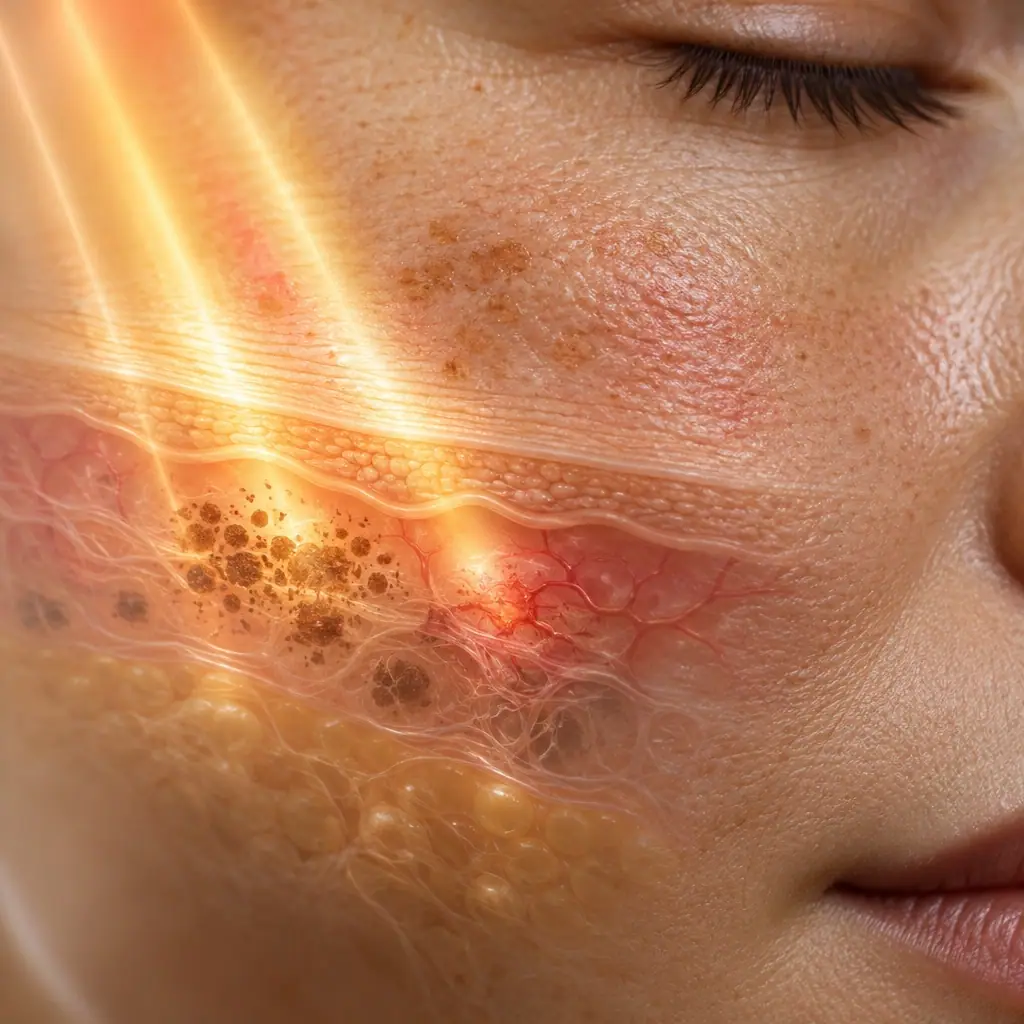
Unlike a laser, which typically uses a single wavelength, IPL delivers a broader spectrum of light that can be filtered and adjusted for different concerns. Specific wavelengths are absorbed by targets in the skin: melanin in areas of concentrated pigment, or hemoglobin in certain areas of visible redness and superficial blood vessels.
The absorbed light is converted to heat, which treats the targeted pigment or vessel while leaving much of the surrounding skin unaffected. Because IPL is non-ablative, it works beneath the surface without removing the outer layer of skin.
After treatment, pigmented spots often look darker for a short time before gradually fading as the skin renews. At Beyond Vitaliti in Kelowna, facial photorejuvenation sessions pair IPL with an enzyme peel, hyaluronic acid and PEMF therapy.
Benefits, and honest limits
Every treatment has strengths and boundaries. Knowing both is how good decisions are made.
Softens sun spots
IPL can help reduce the appearance of sun spots, age spots and freckles by targeting concentrated pigment.
Addresses certain redness
Different wavelengths can target hemoglobin, so IPL may help with some visible redness and small superficial vessels.
Treats more than one concern
It can be particularly useful when brown pigmentation and redness appear together in the same area.
Non-surgical and non-ablative
There are no incisions and no removal of the outer skin layer, so recovery is generally limited compared with more intensive resurfacing.
Customized to you
Settings are adjusted to your skin, the area and the pigment or redness being treated, after an individual assessment.
Limitations to know
- IPL is not appropriate for every skin type or every pigmentation concern.
- It improves existing pigmentation but cannot prevent new spots from forming; sun protection remains essential.
- Cosmetic treatment does not undo the underlying UV damage to skin cells.
- Not all redness should be treated with IPL; the cause needs to be assessed first.
- Some concerns need a series of sessions, and results vary from person to person.
From first conversation to results
Consultation and patch test
First-time IPL clients complete a complimentary consultation and patch test. We assess your skin, the type of pigmentation or redness and your goals to confirm IPL is appropriate.
Treatment day
Controlled pulses of light are delivered across the selected area. Treatment time depends on the size and number of areas, and your provider explains what you may feel before starting.
The days after
Redness, mild warmth or swelling can appear, and targeted spots may look darker or form light crusting before they fade. Your provider gives you aftercare instructions to follow.
Your results
Treated pigment gradually becomes less noticeable as the skin renews. Some clients see a change after one session, while others benefit from a series.
Preparing for treatment
- Book your complimentary consultation and patch test at our Kelowna clinic if you are new to IPL.
- Avoid tanning, sunburn and self-tanner in the treatment area beforehand.
- Tell us about all medications and supplements, especially any that increase light sensitivity.
- Mention any recent treatments or skincare actives so we can advise on timing.
- Arrive with clean skin, free of makeup on the treatment area if possible.
During your appointment
Your provider will explain what you can expect for your specific treatment. Many people feel a brief warmth or a light snapping sensation with each pulse, and protective eyewear is worn throughout. Because IPL is non-ablative, the outer layer of skin is not removed, and treatment time depends on the size and number of areas.
Downtime and side effects
IPL generally involves less recovery than more intensive resurfacing. The response varies with the settings, the area treated and your skin. Temporary redness, warmth, sensitivity or mild swelling are common, and targeted spots may darken and flake or lightly crust before fading. Many people return to their usual routine soon after, with careful sun protection.
- Redness and mild warmth or sensitivity
- Mild swelling
- Temporary darkening of targeted pigmentation
- Mild crusting or flaking over treated spots
- Rarely: blistering, burns or changes in skin colour; suitability screening and patch testing help lower these risks
Recovery and aftercare
- Do not pick at or scrub darkened or crusted spots; let them fade naturally.
- Avoid aggressive exfoliation until your provider says it is fine.
- Use a broad-spectrum sunscreen of SPF 30 or higher every day.
- Limit sun exposure and wear protective clothing and a hat outdoors.
- Follow the personal aftercare instructions from your practitioner.
Realistic outcomes
Results vary. Some clients notice visible improvement after a session, while others benefit from a series depending on the amount and depth of pigmentation, the area and how their skin responds. Treated spots typically darken briefly and then fade over the following days and weeks. IPL cannot stop new pigmentation from forming, so daily sun protection and good skincare help you maintain a clearer, more even look.
Who it may suit
Suitability is always confirmed at your consultation. These notes help you prepare the right questions.
Often a good fit
- You have visible sun spots, age spots or freckles
- You are concerned about uneven pigmentation or tone
- You have certain types of visible facial redness
- You want a brighter, more even-looking complexion
- You prefer a non-surgical option and have realistic expectations
Worth discussing first
- You have a recent tan, sunburn or self-tanner in the treatment area
- You take medications that increase light sensitivity
- You have melasma, which can respond differently from ordinary sun spots and needs careful assessment
- You have a pigmented spot that is new, changing, unusual or bleeding; it should be assessed medically first
- You are pregnant, or have a medical history that may affect suitability; please share it at consultation
Pricing, explained
Cost depends on the area treated, from a single sun spot or the hands to the face, neck and décolletage, and on whether you choose a single session or a three-session package. Starting prices are listed below. Your first consultation and patch test are complimentary.
Starting prices from the clinic’s online booking menu, October 30, 2026. Your quote is confirmed at consultation.
IPL Sun Damage
PhotoRejuvenation (IPL)
A clearer, more even complexion, one gentle pulse of light at a time.
Often explored together
Do I need a consultation before my first IPL treatment?
Yes. First-time IPL clients at Beyond Vitaliti complete a complimentary consultation and patch test before their first treatment. This lets our team assess your skin, discuss your concerns and decide whether IPL is appropriate for you.
What does IPL do for your skin?
IPL uses controlled pulses of broad-spectrum light to target specific colour within the skin. Depending on the goal, it may help reduce the appearance of sun spots, freckles, uneven pigmentation and certain types of visible redness.
Is IPL good for pigmentation?
IPL can suit certain pigmentation concerns, particularly sun-related pigmentation such as freckles and sun spots. Different types of hyperpigmentation can respond differently, so a consultation is needed to decide whether IPL is the right choice.
Can IPL help with sun spots?
Yes, sun spots are one of the concerns most commonly treated with IPL. The light targets concentrated pigment, and the spots may gradually become less noticeable after treatment.
Does pigmentation get darker after IPL?
It can. Targeted spots may look darker for a short time after treatment before gradually fading. Your provider will explain what to expect and how to care for your skin.
Can IPL help with redness?
IPL may help improve the appearance of certain types of redness and superficial visible blood vessels. The cause of the redness should be assessed first to make sure IPL is an appropriate treatment.
Is IPL a laser?
No. IPL is a light-based treatment rather than a laser. It uses a broad spectrum of wavelengths, while a laser typically delivers one specific wavelength.
What's the difference between IPL and fractional laser resurfacing?
IPL is commonly chosen when the main concern is pigmentation, sun spots, redness or uneven tone. Fractional laser resurfacing may be more appropriate for texture, fine lines, certain scars or more significant resurfacing goals. Beyond Vitaliti in Kelowna offers both, so your plan can follow your skin.
How many IPL treatments do I need?
It varies. Some clients see improvement after one treatment, while others benefit from a series of sessions. Your schedule depends on your skin and the concerns being treated.
Is there downtime after IPL?
IPL generally involves less recovery than more intensive resurfacing procedures. Temporary redness, sensitivity, swelling or darkening of pigmentation may occur, and individual responses vary.
Can IPL prevent pigmentation from coming back?
No. IPL can improve existing visible pigmentation but cannot stop new pigmentation from developing. Sun protection and appropriate skincare remain important for maintaining your results.
Is IPL right for every skin type?
No. Suitability is assessed individually, because skin characteristics, the type of pigmentation and recent sun exposure all affect whether IPL is appropriate and which settings can be used safely. The patch test is part of that assessment.
Can IPL treat melasma?
Melasma can be challenging to treat and may respond differently from ordinary sun spots. It needs careful professional assessment before any light-based treatment, and another approach may be recommended.
What is included in a facial photorejuvenation session?
The clinic's face photorejuvenation treatment combines IPL with an enzyme peel, hyaluronic acid and PEMF therapy. Your provider will walk you through each step at your appointment.
Treatment information on this page is general education, not medical advice. Suitability, risks and expected results are confirmed in a personal consultation, and individual results vary.
References: American Academy of Dermatology: How to select a sunscreen

Ready to talk about IPL?
Book a consultation at our Kelowna clinic. We will assess your goals, explain what is realistic and answer every question before anything begins.
- 200 Dougall Rd N #200, Kelowna, BC V1X 3K6
- Tue, Wed, Fri, Sat: 9am to 5:30pm · Thu: 9am to 7pm · Sun, Mon: Closed